


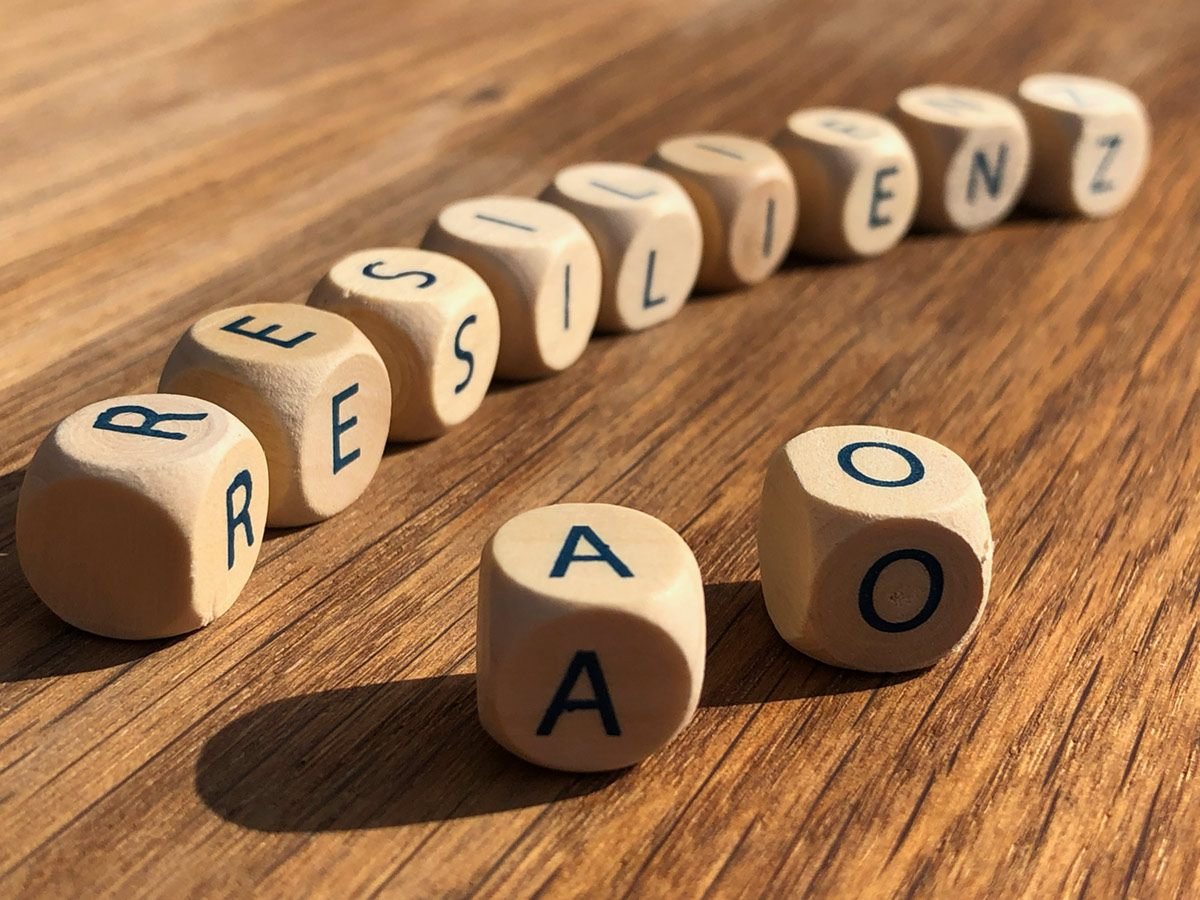
The nuts and bolts of stress and crises
Resilience helps people to overcome crises in their lives and cope with stress. Everyone agrees on this. However, there is no single definition of „resilience“ and its components. Sometimes there is talk of „pillars“, sometimes of „keys“ or „protective factors“. Sometimes there are 7, sometimes 8 or even 10. Essentially, the different models are similar and overlap. They all agree on one point: acceptance and optimism play a central role when it comes to resilience.
„You have to accept the situation and look to the future with optimism!“
Tell that to someone who is in the middle of an existential crisis! It can happen that your advice is returned with a fist bump. That's why I'd like to use my own example to describe how acceptance and optimism helped me to survive 20 weeks of being held hostage in the jungle.
My individual experience should not be seen as a patent remedy - people and their life crises are far too different for that. But hopefully my experiences will inspire you to deal powerfully with your own crises. I would be delighted to do so!
When fate strikes and you struggle with it
In 2000, I was kidnapped with 20 other people in Malaysia by Islamist terrorists and held hostage in the Philippine jungle for 140 days. Before my kidnapping, I had worked as a management consultant in Luxembourg, very successfully, but also extremely stressed. I urgently needed to reorganize my life, especially as my relationship life was also a mess. But I had no idea what I was supposed to do, I had no direction. That's when I asked life for a „hint of fate“ during a sleepless night ...
A few weeks later, I was kidnapped on a diving vacation and experienced mortal fear in the face of heavily armed kidnappers. I would have loved to turn back time to undo everything. I thought: „If only I had gone on the night dive, I would have caught the kidnappers and escaped my fate.“
„Woulda, coulda, woulda...“ is just a desperate attempt to retroactively find a way out - but what's done is done. Thoughts about the past, whether remorse or reproach, do not change the current situation, except that they are even more frustrating. But how can you stop such thoughts?
Accepting the challenge with acceptance
Acceptance helps in crises. Those who accept their own crisis no longer dwell on the past, are more present in the here and now and are open to what is to come. This „forward“ orientation gives you strength. But how does this work in practice?
In my case, it was like this: at some point, a kind of inspiration came to me as I was crouching desperately between heavily armed men in a fishing boat: „Maybe this is the hint from fate that I asked for ... maybe I'm supposed to learn something here!“ This allowed me to make sense of what was happening - a part of me was now excited about what lay ahead, but most importantly, I finally stopped mentally resisting it. Faith can also play an important role here. Some of my companions were able to accept the abduction as God's will and as part of an overarching plan. Others reported a very earthly turning point at which they simply capitulated: „Screw it, it is what it is, I'll make the best of it now!“
Align positively with optimism
Similar to acceptance, optimism also helps us to „move forward“ powerfully. That is easier said than done. Some of my companions in captivity repeatedly had horror images in front of their eyes, for example the beheading scenes. This vision of the future robbed some of them of the most important thing of all: The hope of a happy ending. In contrast, other hostages had very positive visions of the future. I, for example, always had in mind that I would be able to talk about my experiences when I was free. I could even feel it and therefore always believed in a happy ending. Against this background, I was able to make sense of even the most painful experiences - namely that I would learn something useful from them and share them with other people later on.
Many factors known from resilience research helped me to come through the abduction strong, from acceptance to optimism, from bonding to self-efficacy. If I had to choose what helped me the most, it would be optimism. Paradoxically, however, optimism can also do massive harm in a crisis. Yes, positive thinking can even be deadly! But More on this elsewhere.
Strengthening acceptance and optimism
By nature, some people find it easier than others to react to crises with acceptance and optimism. However, resilience research shows that these skills can also be trained to a certain extent. For inspiration, I would like to share two highly effective strategies with you here that helped us hostages back in the jungle and can be transferred to everyday life:
✅ Write down your thoughts
Acceptance: To accept and process the past and present, it helps to document what you have experienced. I wrote down the day's events in my jungle diary and have already processed them for the first time. Once fears are put down on paper, they lose some of their power. An artist among us hostages recorded his experiences in drawings and thus put his fear on paper in a very expressive way.
Find your own medium to „let out“ your experiences and fears in crises and thus process them better. You can also simply open an email and spontaneously write down everything that is going on in your head (you don't have to send the email!). This alone often helps you to break out of the spiral of thoughts, sort them out, gain some distance and accept your own situation more easily.
✅ Focus on the positive
Optimism: Positive images give strength in a crisis! As hostages, we deliberately cultivated positive images in our minds. In the evening prayer circle, some of us regularly gave thanks for the positive things of the day - something always came to mind: „Thank you that we are still alive. Thank you that we had enough water to drink today. Thank you that we can have hope of being released soon.“ Gratitude and positive images reduce the focus on problems and have been proven to help!
If you can't fall asleep because you're brooding, the gratitude ritual can help. Ask yourself: „What three positive things of the day am I grateful for?“ or „What was nice today and how did it feel?“ You can include these thoughts in your prayer or write them down in your diary. The main thing is that you can connect with the positive feelings and images of these thoughts. This will give you strength and confidence.
You can strengthen your resilience here
In my Spiegel bestseller „Strong through crises“ you will find many more ways to strengthen your resilience in everyday life.
In my presentation (at your event) I share my 5 most important strategies for the jungle of everyday (business) life:
1. acceptance
2. optimism
3. realism
4. self-efficacy
5. social support