


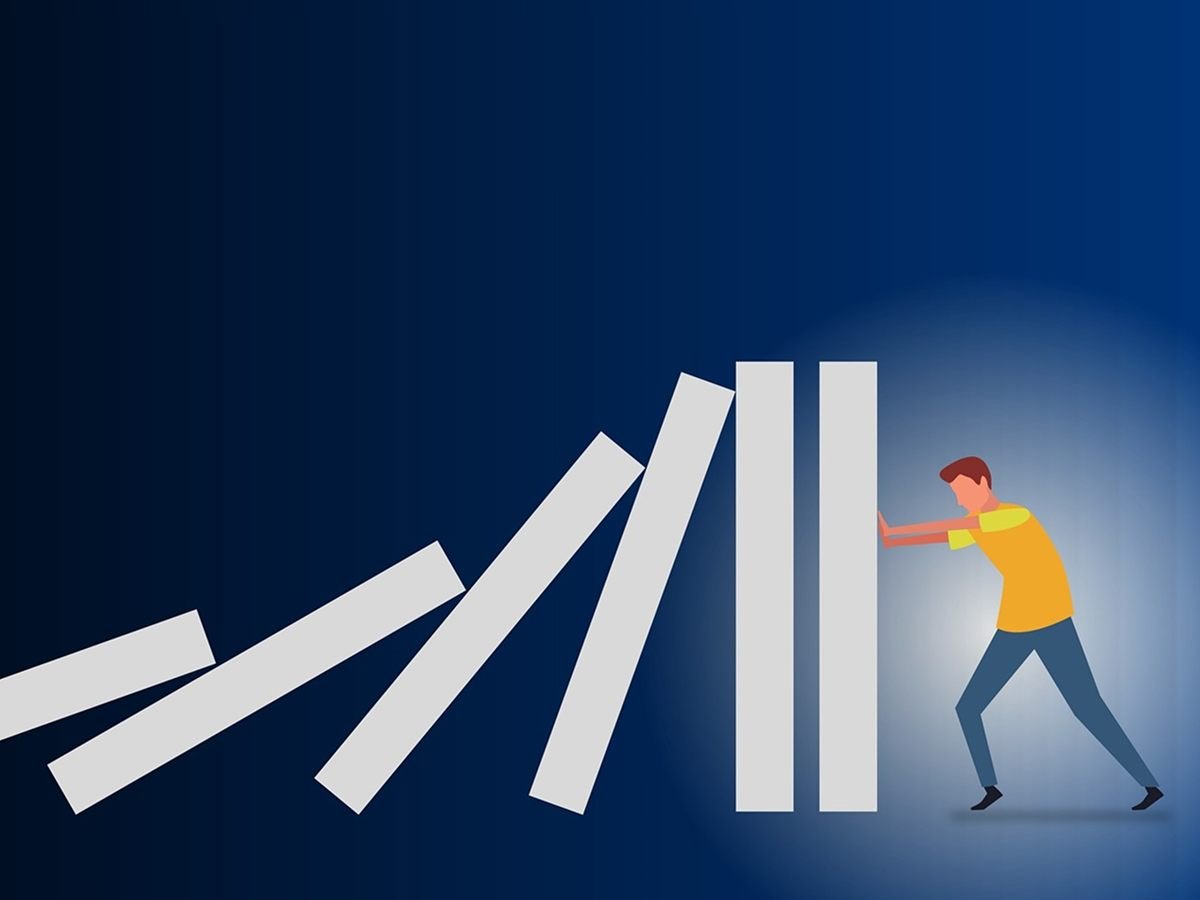
In times of crisis, people need resilience, the inner strength to cope with external stress. The good news is that we can train it in a targeted way. Read on to find out why this is so important right now and how to do it successfully:
The world in crisis mode, Germany in the lead
What else, please? We are going from crisis to crisis. Before one is over, the next one comes on top. People are already talking about „stacked crises“. Climate, corona, war... the world has become a jungle, as has the economy: energy crisis, inflation, bureaucracy...
Germany was already in „crisis mode“ (word of the year) in 2023 and it hasn't gotten any better. 2024 threatens to be the second year of recession in a row. The fall report speaks of a „structural crisis“, i.e. nothing short-term.
People unsettled and stressed
The headlines are clouding over and increasingly hitting the mind. Crises, nothing but crises. People are unsettled, preferring to save rather than consume - which doesn't help the economy either.
The sickness rate in German companies is at a record level. The latest DAK study shows a sharp rise in mental illnesses.
The Chancellor speaks of „collective moodiness“ and calls for „cheerful pragmatism“. This may be very abbreviated, perhaps even sound cynical. But at its core is an interesting approach to a solution.
We can overcome crises with resilience
Resilient people may not always be cheerful, but they are usually positive. They are also realists who take a pragmatic approach and move forward step by step.
Resilience means psychological resistance, but also adaptability. Surviving crises is one thing. Overcoming crises means emerging from them stronger and taking advantage of opportunities for change.
The effectiveness of resilience is now well documented and the decisive factors have been researched. One particularly positive finding is that we know the decisive factors and can develop them in a targeted manner.
Five success factors for mental strength
These protective factors help you to come through crises strong:
Acceptance
Many people struggle with the current situation and look back to the „good old days“. Complaining is human, as is swearing. But complaining won't get us anywhere in the long term. We need to accept the challenges and look to the future.
Optimism
People with a positive attitude are demonstrably healthier, both mentally and physically. We can consciously focus on the positive, and should do so deliberately at times: Not everything is bad, not even in Germany.
Realism
Positive thinking alone is not enough in times of crisis. A realistic view of the risks is just as important. The mindset for sustainable success is: hope for the best, prepare for the worst.
Self-efficacy
In times like these, people often feel powerless and at the mercy of events. This makes it all the more important to develop a powerful inner attitude. Anyone who takes action leaves the role of victim and feels like a creator again. Small steps are often enough.
Social support
Together we can overcome crises more easily. The feeling of being connected with others and being able to rely on support gives us the strength to overcome challenges. This is why networking and team building are also mental success factors.
How to strengthen your resilience
If you master these five protective factors, you will be prepared for persistently challenging times. I call them „jungle strategies“ because they gave me strength when I spent 20 weeks in the Philippine jungle, involuntarily, as a hostage of terrorists.
In my talks, I „kidnap“ my audience into the jungle and talk about images and experiences from my time as a hostage. This allows my guests to experience first-hand the effect of acceptance, optimism, etc. and how these techniques work in everyday life.
„Who knows what it's good for“ was my inner attitude when I was kidnapped. Today, I look back on a happy ending and know what it was good for: my experience inspires people and gives them courage.